August 24 – 30, 2026 | Kopčany and Stupava, Slovakia
How can music, art, and movement assist in working with young people? How can creative activities be used to foster communication, inclusion, cooperation, or personal development? These are the very questions addressed by the international educational seminar "Create to Connect," which took place from August 24 to 30, 2026, in Kopčany and Stupava, Slovakia.
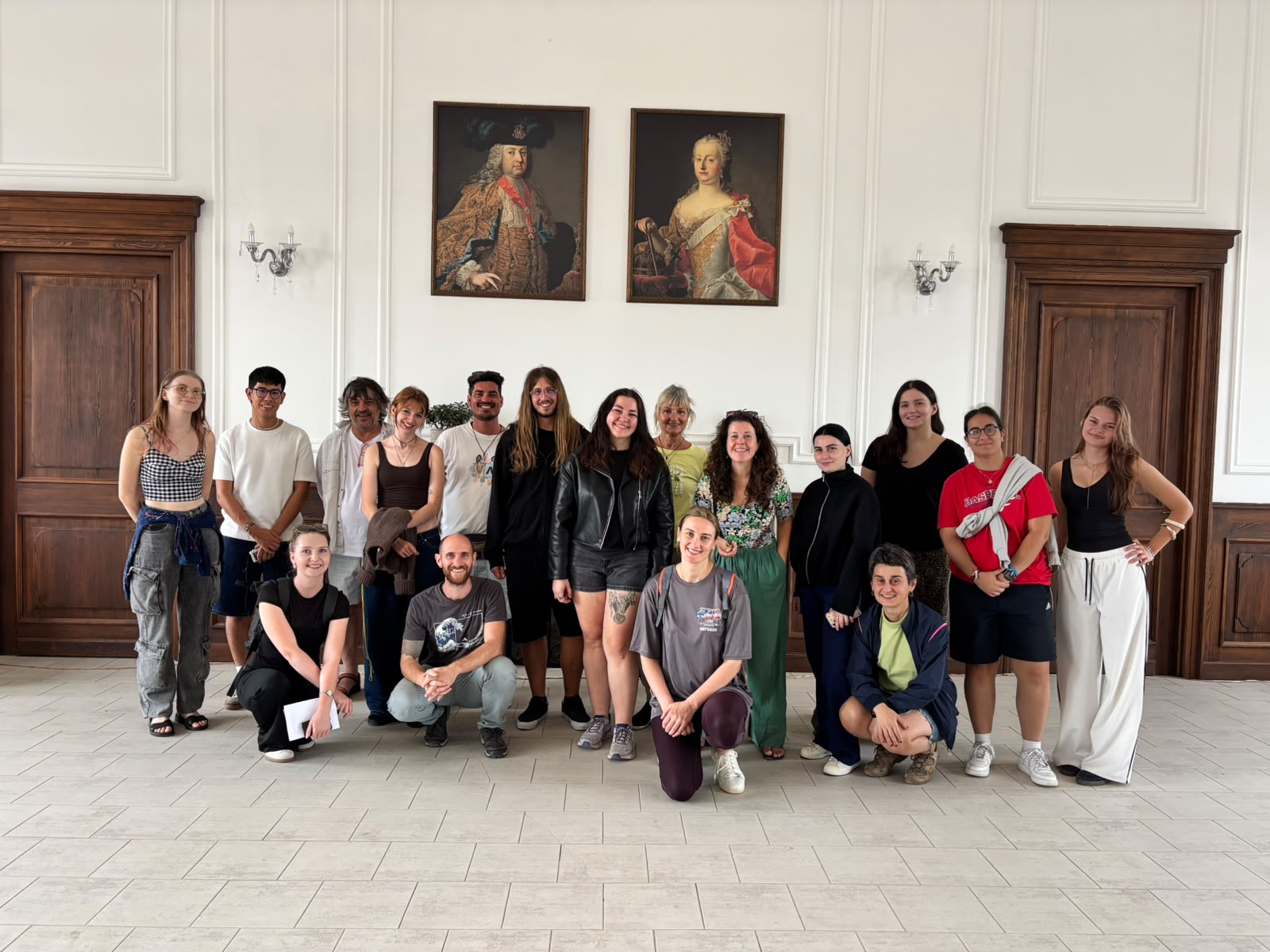
The project brought together participants from eight countries – Slovakia, Austria, Portugal, Spain, Italy, Poland, Ukraine, and Georgia. It was designed for youth workers, youth leaders, educators, artists, musicians, volunteers, and others interested in using creative methods in their work with young people.
The project was coordinated by the Austrian organization CUBIC, and the host organization in Slovakia was CONNECTUS.
Creativity as a Tool for Non-Formal Education
The main objective of the seminar was to strengthen the competencies of youth workers through creative and experiential methods that foster learning, inclusion, mental well-being, and the active participation of young people. Participants had the opportunity to explore and gain hands-on experience with various methods based on art, music, movement, and activities focused on personal well-being. An important part of the project also involved developing communication and facilitation skills, engaging in intercultural learning, exchanging experiences, and identifying new ways to create safe, open, and stimulating environments for young people.
The seminar was based on the principles of non-formal education and experiential learning—"learning by doing." Instead of theoretical lectures, participants engaged actively in workshops, collaborative creation, and reflection. They can now apply the methods and experience they gained within their own organizations, schools, youth centers, and local communities.
Music, Art, Movement, and Wellbeing in Practice
The seminar program offered a diverse mix of creative and experiential activities. Participants took part in art and creative workshops, collaborative music-making, voice and rhythm exercises, and music production using a looper—a tool that allows for recording and layering sounds to create original musical compositions.
Movement and dance workshops were also a significant part of the program; through movement, improvisation, and group exercises, participants explored new possibilities for non-verbal communication, self-expression, and collaboration. Movement activities, yoga, meditation, and relaxation exercises were focused on enhancing body awareness, developing self-expression, fostering relaxation, and supporting mental well-being.
Horseback riding at the historic stud farm in Kopčany was another highlight, adding a hands-on activity to the program and allowing participants to get a closer look at the unique local setting. A distinctive part of the program also involved exploring the "WoodPack" concept—creating music using unconventional wooden instruments—as well as crafting a simple musical instrument by hand, under the guidance of musician and instrument maker Boris Čellár.
The program was complemented by collaborative musical improvisations, intercultural activities, daily reflections, and opportunities for participants from various countries to exchange experiences. Prior musical or artistic training was not a prerequisite for participation. What mattered most was an open mind, a willingness to experiment, and a desire to explore new possibilities for creative work with young people.
Intercultural event for the local community
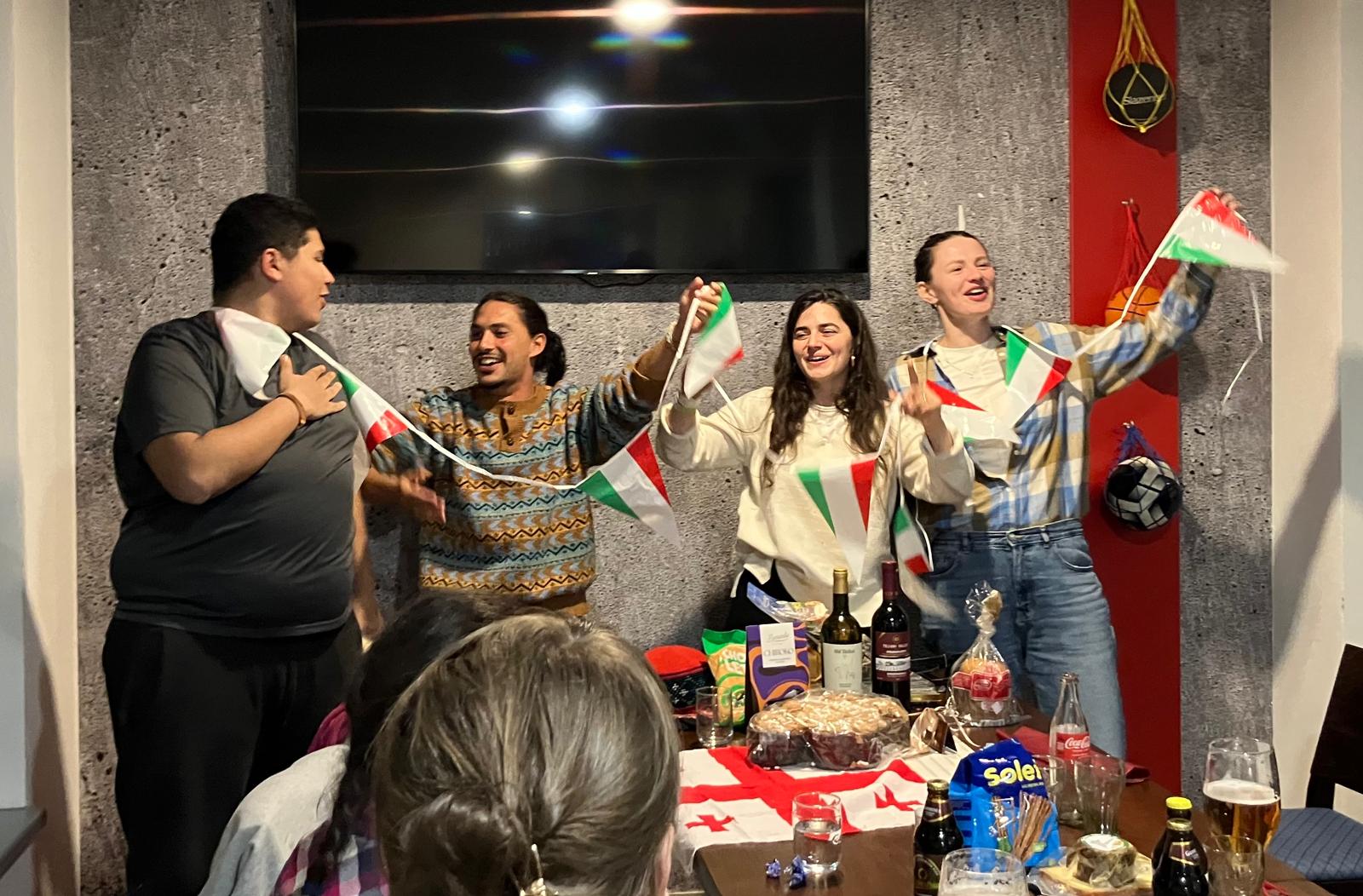
An important part of the project was also an intercultural event open to the local community in Kopčany, which met with a very positive response.The participants presented their countries, cultures and traditions, while a special place belonged to music, singing and joint creation. Through musical performances, traditional songs, dances and personal stories, they brought the cultural diversity of their countries to the local people.
The event created a welcoming space for international participants to meet with the local community, share experiences, and get to know one another. At the same time, it demonstrated how music and culture can naturally connect people of different generations and nationalities, even when they do not speak the same language. For the participants, this gathering also served as an opportunity to gain practical experience in organizing an inclusive community activity and to share their own culture with local residents.
From Personal Experience to Working with Young People
One of the most important goals of the project was that the experience gained was not just a pleasant memory of an international meeting.Participants learned how creative activities can be used to build trust in a group, support communication, engage young people with different experiences and abilities, or develop their self-confidence and creativity.
An important dimension of the project was the inclusion and support of young people with fewer opportunities. Music, movement, and art can help overcome linguistic, social, cultural, or other barriers, creating a space where every young person can actively participate, express themselves, and feel accepted—regardless of their background or previous experiences.
Such accessible and creative methods can serve as a valuable tool for youth workers in organizing inclusive activities, promoting equal opportunities, and engaging young people who typically face barriers in accessing education or international opportunities. At the same time, the seminar provided a space for the exchange of best practices, the establishment of new international contacts, and inspiration for future Erasmus+ projects.
Positive feedback from participants confirmed that it was precisely the practical workshops, collaborative creation, music, and movement that yielded new ideas and methods applicable to their future work.
A week full of music, movement, and creativity
Ema Vaculková, a Slovak participant in the project: “During the summer, in August 2026, we had the opportunity to take part in an international music and movement seminar titled ‘Create to Connect,’ which brought together participants from eight countries—Slovakia, Austria, Portugal, Spain, Italy, Poland, Ukraine, and Georgia.”
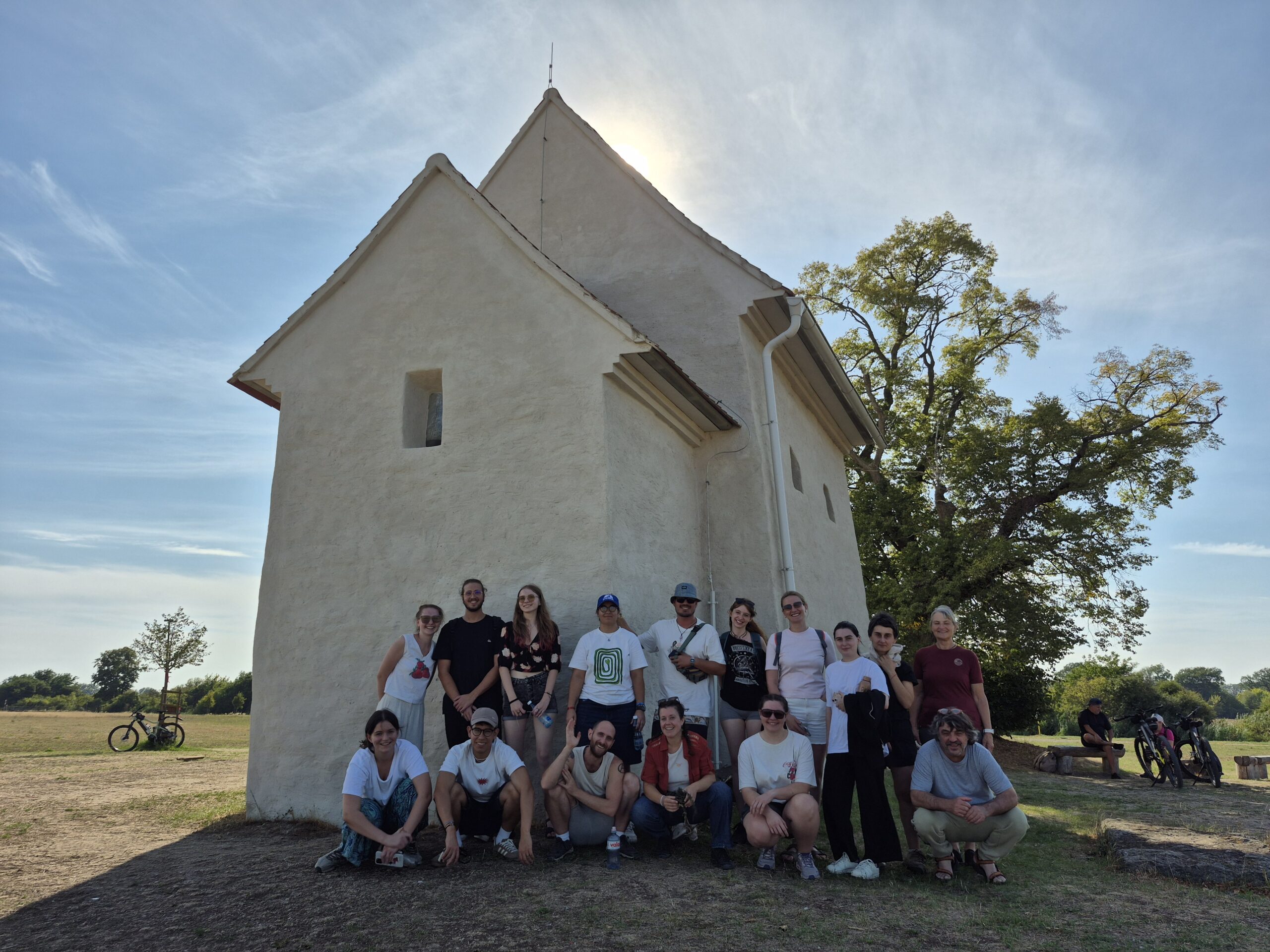
Tones, rhythm, and movement became our shared language, filling the spaces of the Stud Farm in Kopčany and, later, the ranch in Stupava. The first and larger part of the seminar took place within the enchanting setting of the historic Stud Farm—an ideal environment for slowing down, immersing ourselves in activities, getting to know one another, and exploring the surroundings.
The program was packed with activities that connected the body and mind. We began our mornings with yoga, while the rest of the day featured a variety of music and dance workshops. We even had the chance to try horseback riding. One of the most valuable experiences was a two-day singing workshop focused on using a looper, which opened up new possibilities for musical expression. An unforgettable part of the project was the international evening, where our diverse cultures had the chance to shine through traditional food, music, dance, and stories from our respective countries.
From Friday, our seminar continued in Stupava, at the beautiful ranch belonging to musician Boris Čellár. Here, the entire stay took on an additional creative and craft-oriented dimension. We had the unique opportunity to learn to play the WoodPack—a musical instrument of his own design—and, under his direct guidance, to craft our own wooden and copper chimes. We thus brought home not only an experience but also a tangible memento.
However, the atmosphere in Stupava is best captured by the evenings and spontaneous open-air jam and jazz sessions. Making music purely for the joy of it—free from any rules or expectations—served as the perfect end to the day for both musicians and non-musicians alike. Thus, the name "Create to Connect" became proof that music and movement speak a universal language, one in which neither linguistic nor cultural differences exist.
Thank you for your cooperation!
The organization CONNECTUS extends its thanks to all participants, trainers, instructors, and collaborators who contributed to the successful implementation of the project and to the creation of an open, creative, and friendly atmosphere. Special thanks go to the Austrian organization CUBIC for their trust, excellent cooperation, and the opportunity to host this international educational seminar in Slovakia. We also express our sincere gratitude to the municipality of Kopčany for its support and cooperation in carrying out the project. We greatly appreciate their openness, assistance, and support for international activities that connect young people with the local community.
We believe that new experiences, creative methods, and international friendships will accompany the participants in their future work with young people and contribute to the development of inclusive and creative activities within local communities.
The project was supported by the European Union under the Erasmus+ programme.