25. – 31. March 2026 | Holíč, Slovakia
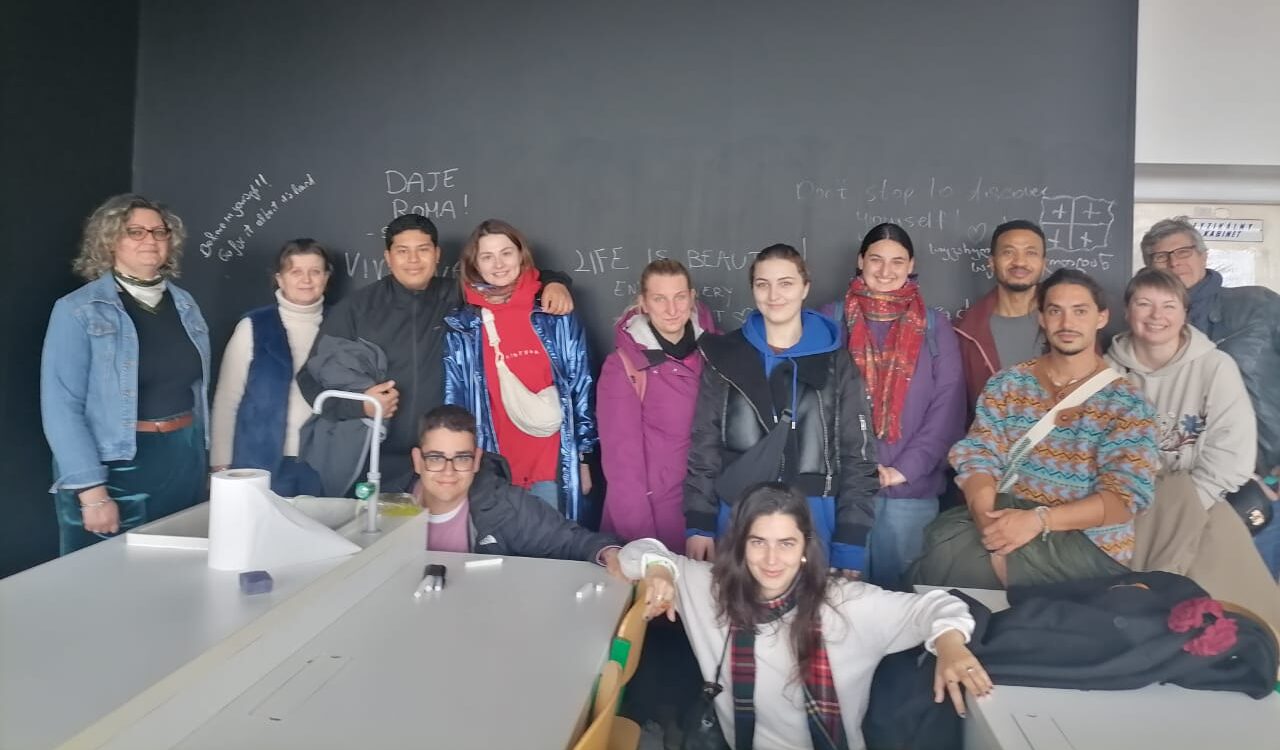
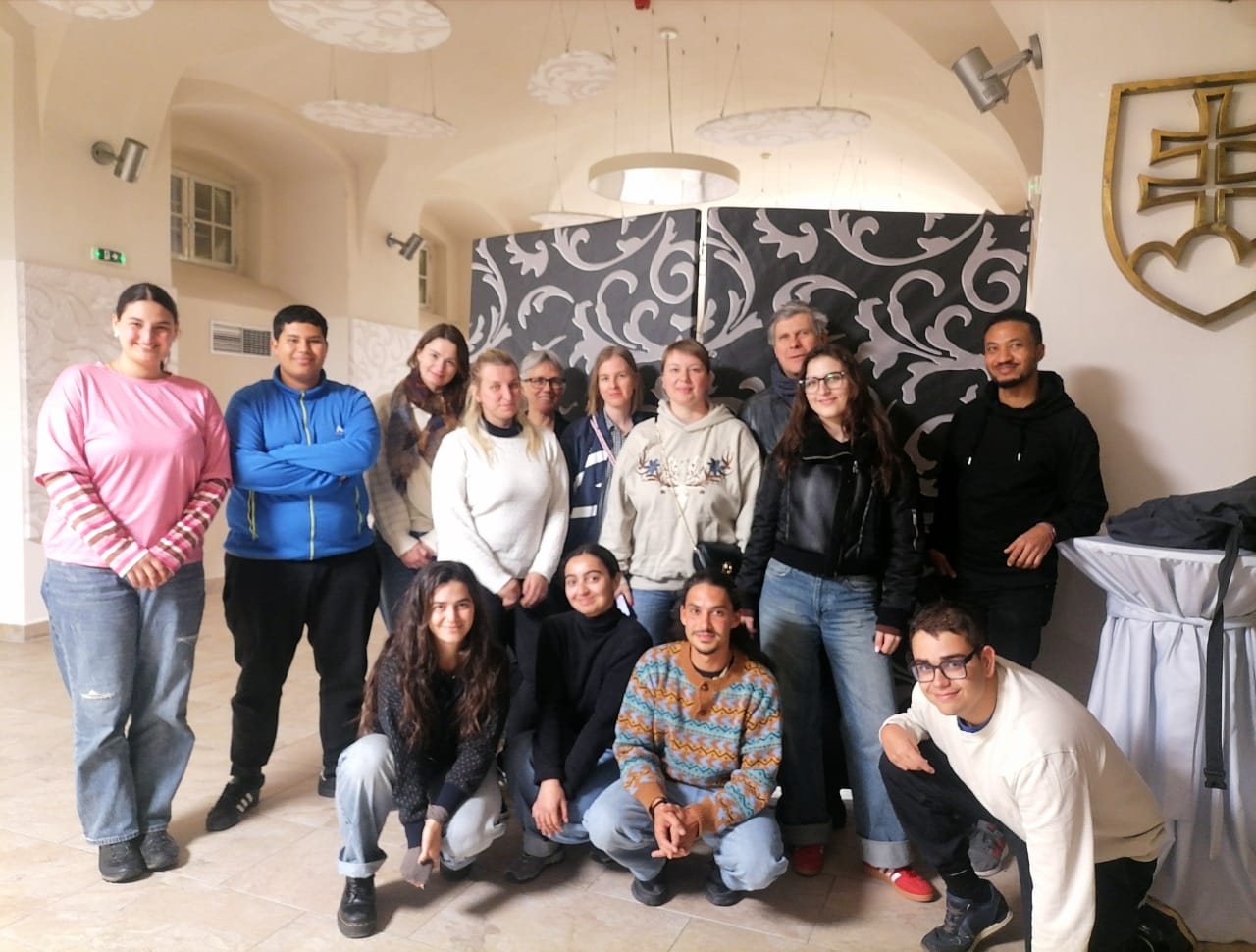
In late March 2026, we welcomed youth workers, ESC coordinators, and inclusion experts from seven countries to Holíč for the Erasmus+ seminar "Equity Connections."
For CONNECTUS, this project was much more than just a week of workshops. It was an opportunity to bring our international colleagues directly into our working environment and to connect our European partnerships with the local community.
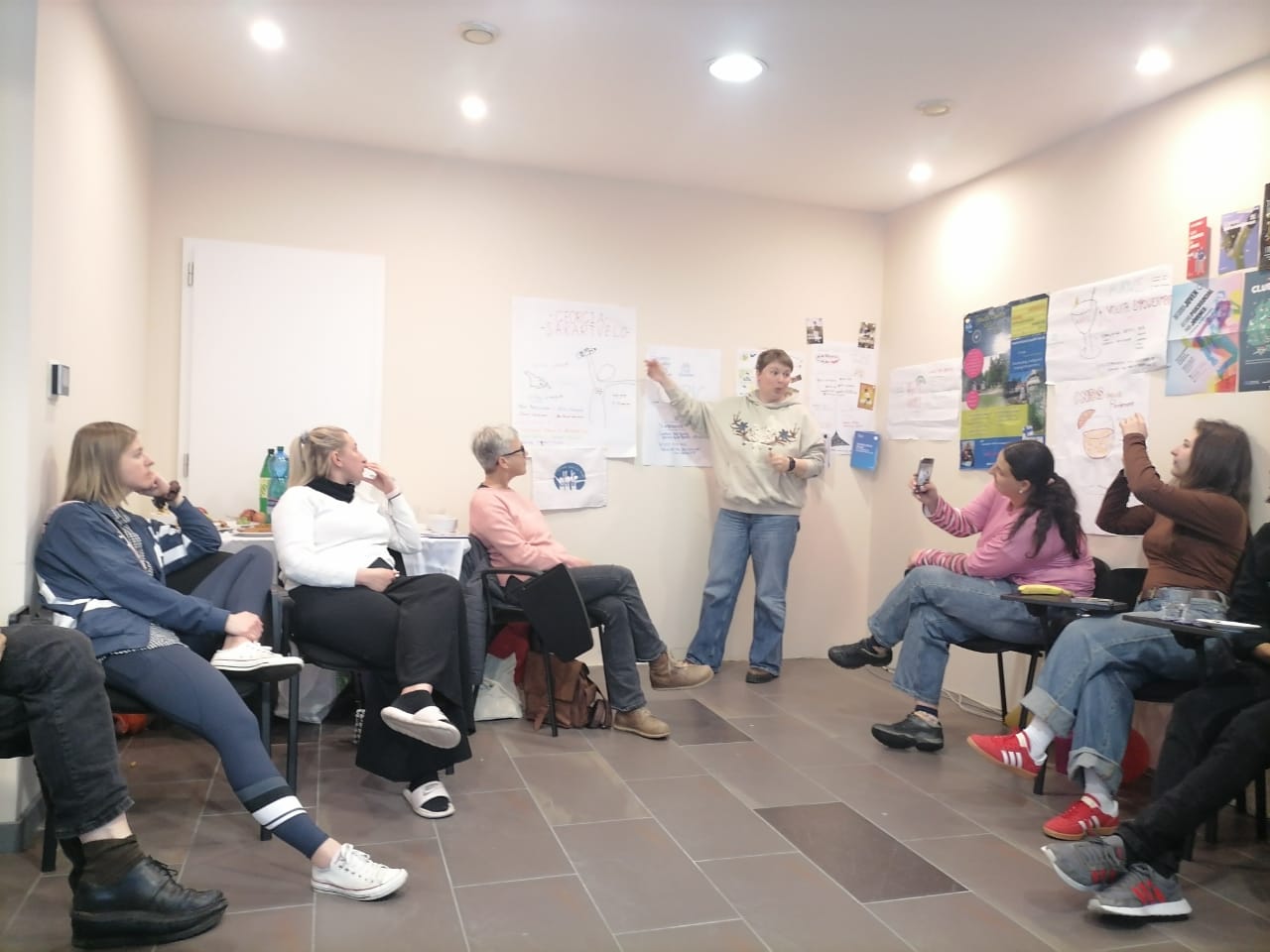
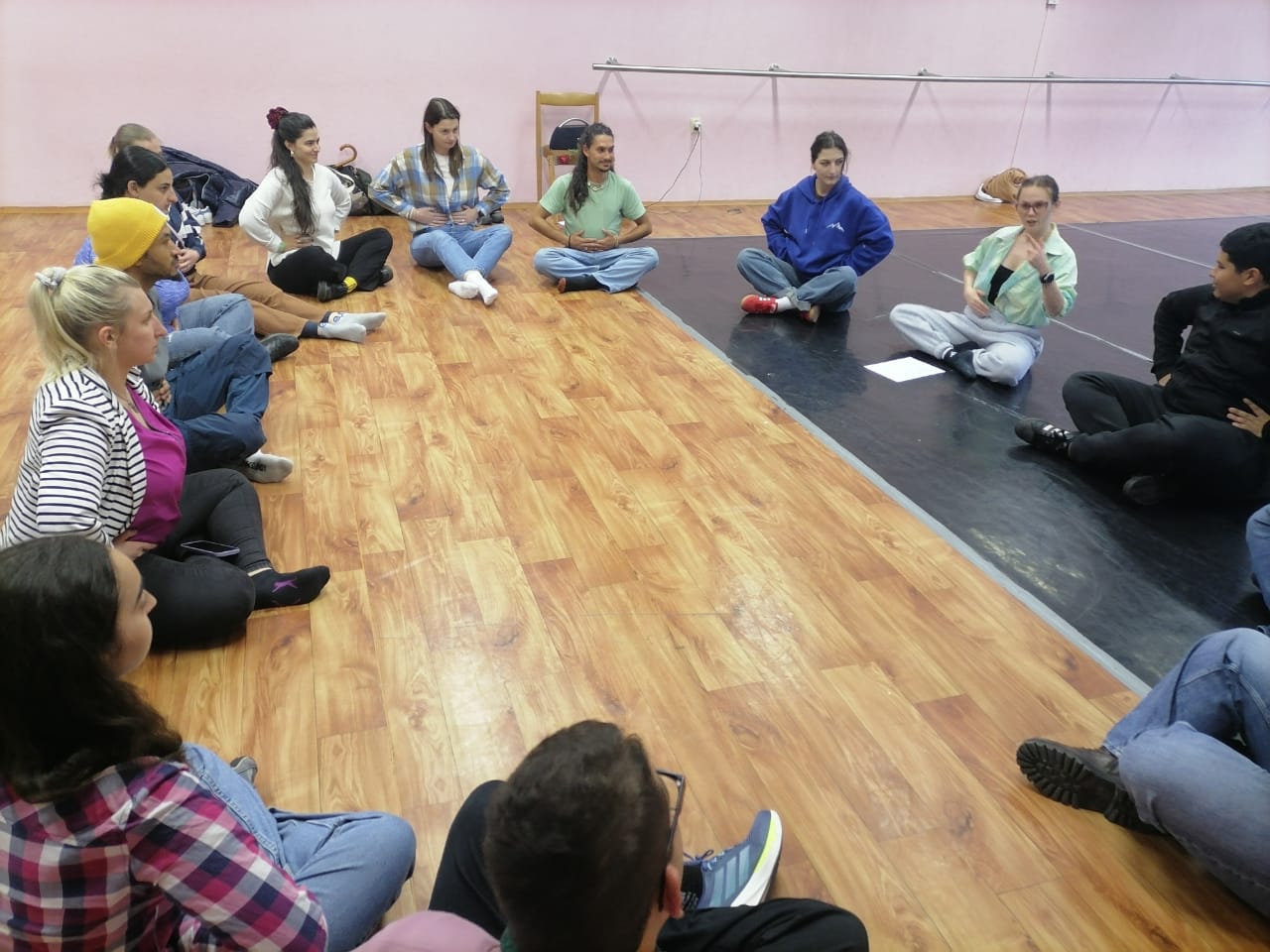
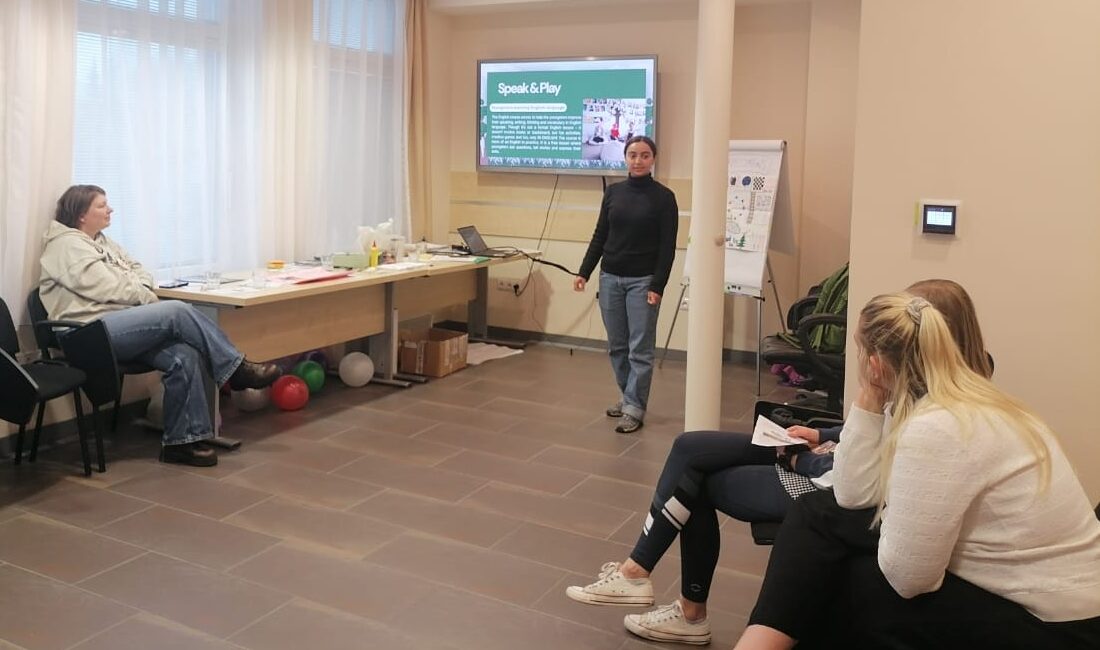
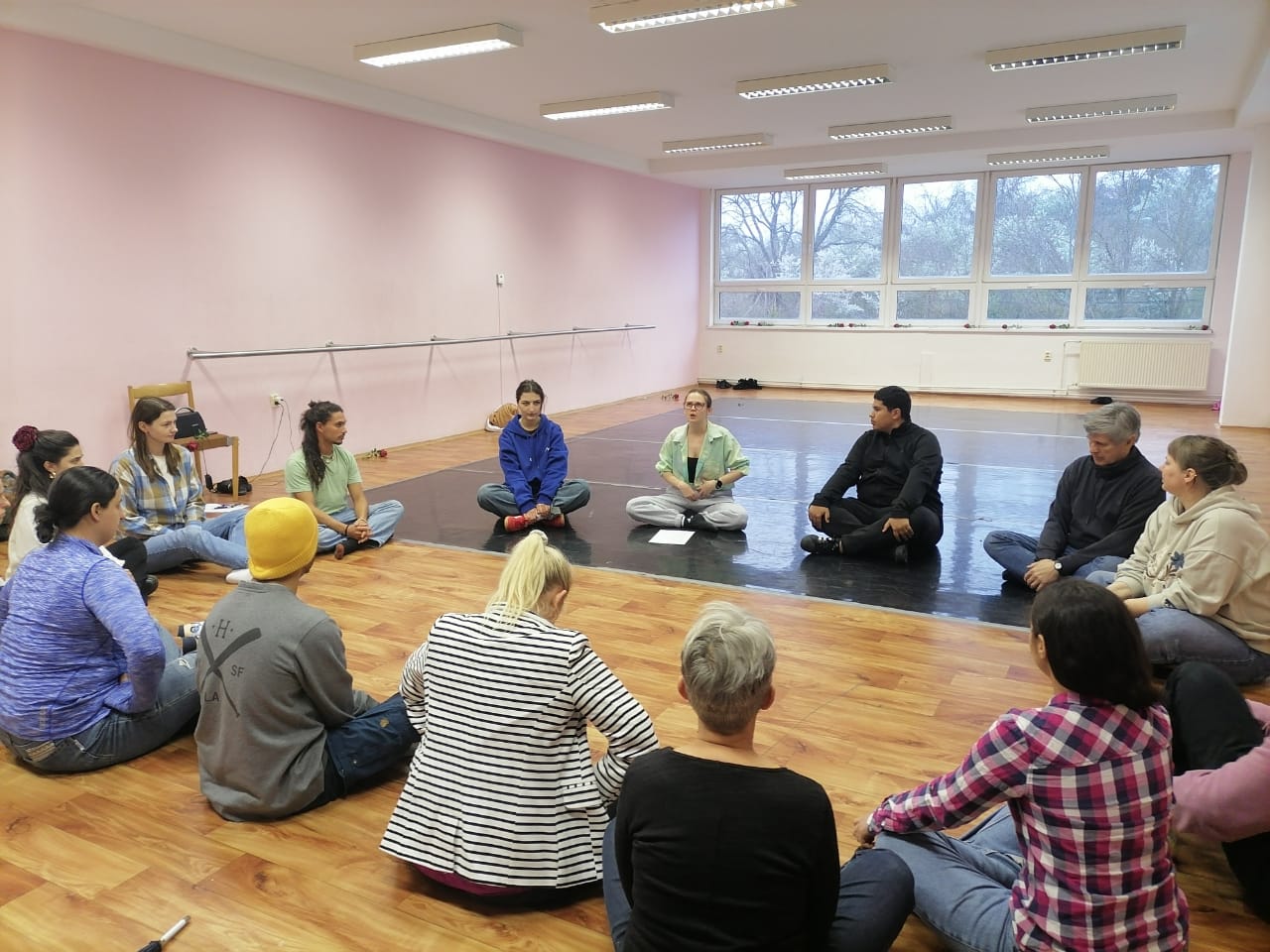
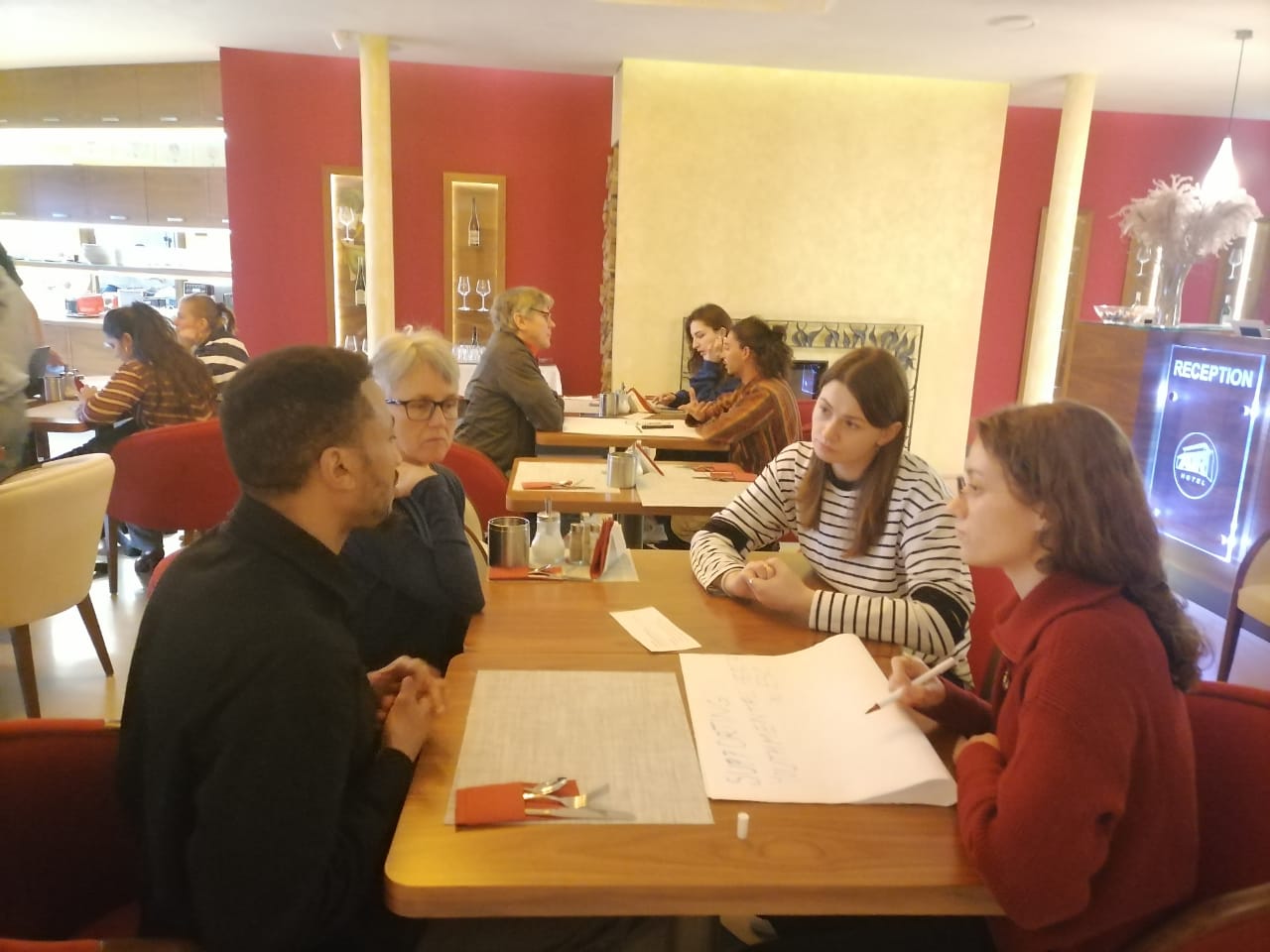
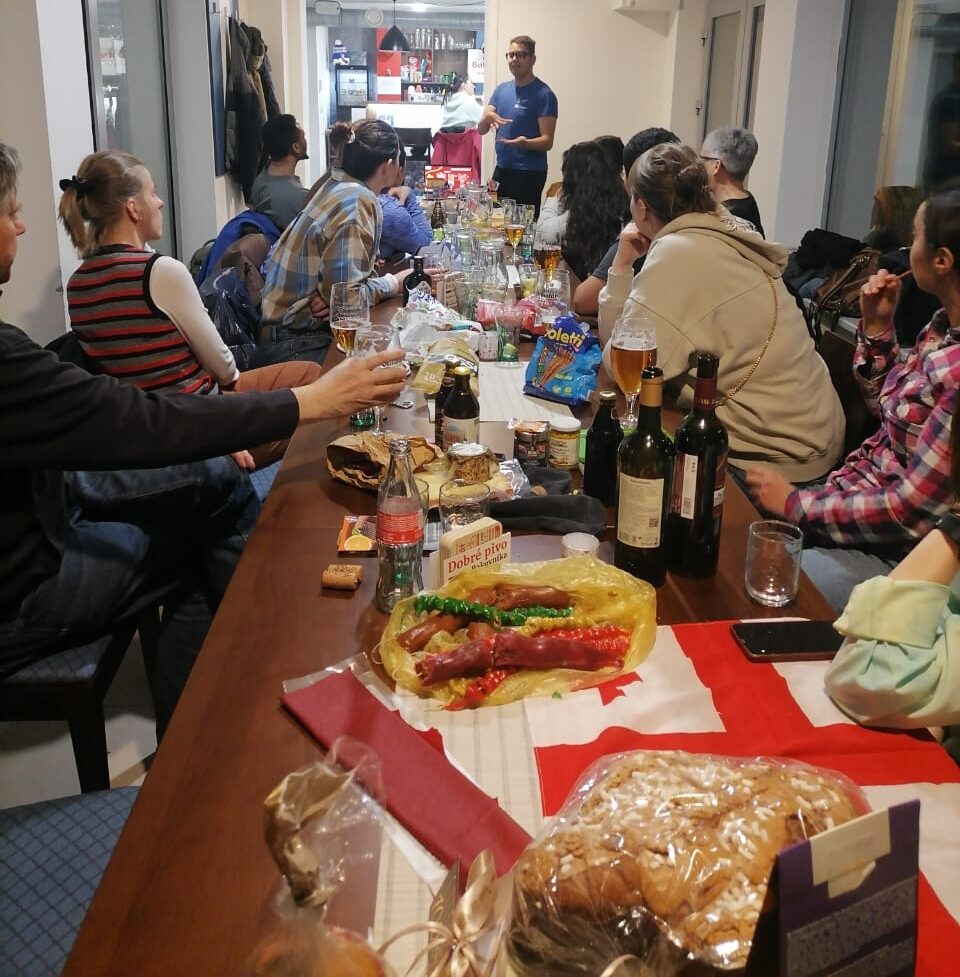
During the seminar, we primarily exchanged practical experiences regarding ESC volunteering, mentoring, volunteer support, and working with young people with fewer opportunities. The gathering brought together individuals with extensive experience in inclusion and international projects alongside younger youth workers. The diversity of the group allowed us to discuss inclusion not merely in theoretical terms, but through real-life experiences.
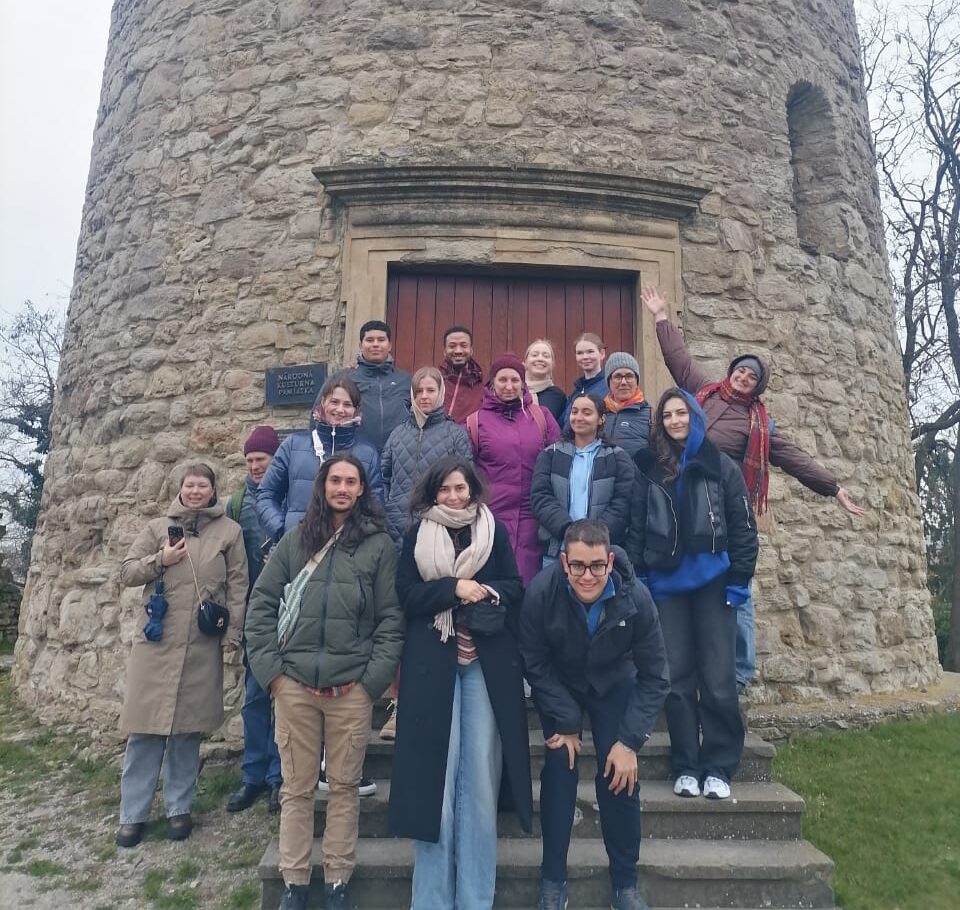
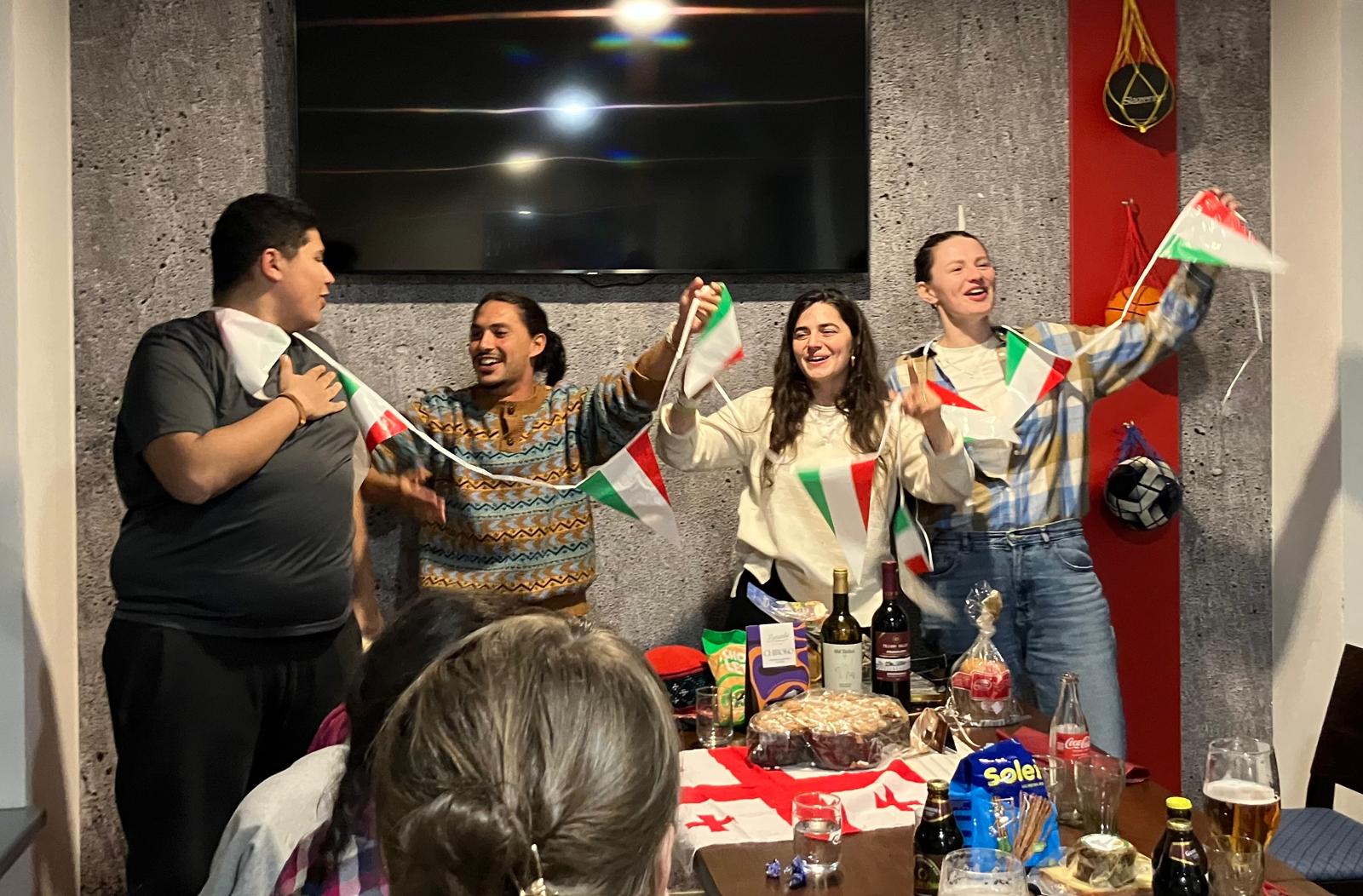
However, many of the most valuable moments took place outside the seminar room. We introduced our guests to Holíč and Kopčany, as well as local organizations, schools, and the environment where we carry out our volunteer activities. They also met with our long-term ESC volunteers and had the opportunity to speak with them directly about their experiences.
We also visited a vocational school, where our international guests could see gastronomy and hospitality students at work. Thanks to our collaboration with the town of Holíč, we were able to organize a screening of the thematic film *The Last Fisherman* at Holíč Castle. In Kopčany, we showed our partners the atmosphere of a small village and introduced them to sites linked to our volunteer projects. Local cafés, restaurants, small businesses, and services were also part of the week-long program, allowing our guests to get to know the region naturally—through the people who live there.
And this was precisely one of the project's greatest benefits for us. Our local community had the opportunity to see firsthand the value that international projects and volunteering bring to our region. We strengthened relationships with towns, schools, and local organizations, established new contacts, and opened up possibilities for future collaboration. Moreover, the contacts made during the seminar did not remain merely on paper; they have already translated into new ESC volunteering partnerships, youth mobility initiatives, and other international activities.
For us, Equity Connections was a wonderful confirmation that a European project need not remain confined to a seminar room. It can bring Europe to a small town, connect international experience with local reality, and build relationships that endure long after the project has ended.
The project was supported by the European Union under the Erasmus+ programme.
Playlist

